Veneers or Crowns? The Difference Nobody Explains Properly
ClinicHub Editorial Team
2 July 2026 • 6 min read
Patients often arrive asking for veneers when their case calls for crowns, or the reverse. The distinction is simple but consequential, because one preserves far more of your natural tooth than the other.
The actual difference
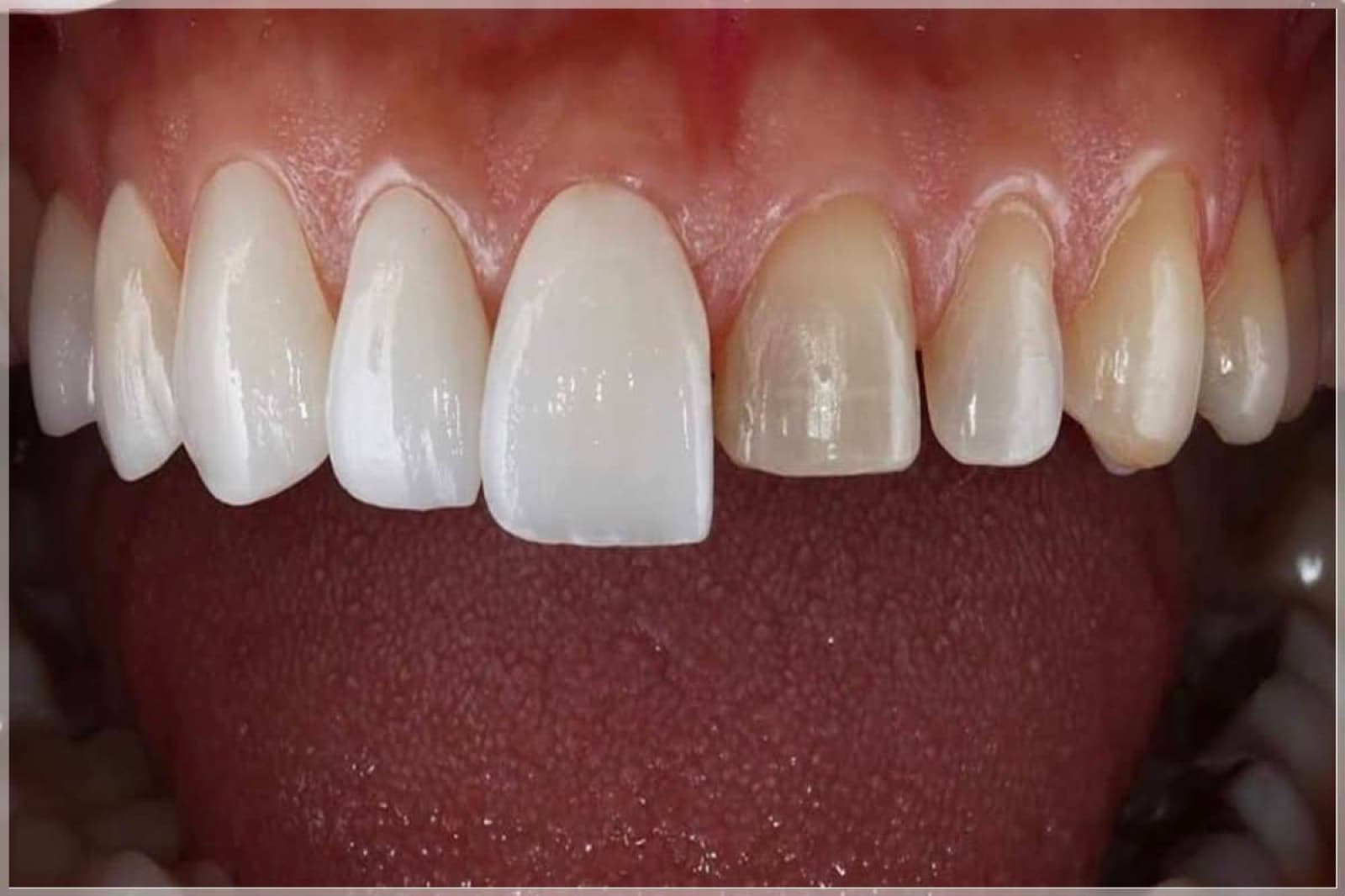
A veneer is a thin shell bonded to the front surface of a tooth. Only that front surface is prepared, so most of the natural tooth remains.
A crown covers the entire tooth. To fit one, the tooth is reduced on all sides. That is far more preparation, and it is irreversible — a prepared tooth will always need a crown from then on.
When a veneer is the right answer
Veneers suit teeth that are structurally sound but cosmetically imperfect: discolouration that whitening cannot shift, small chips, minor gaps, slight irregularity in shape.
The tooth underneath has to be healthy enough to support the veneer. If a large filling or a previous root canal has weakened it, a veneer is being asked to do a job it was not designed for.
When a crown is genuinely needed
Crowns are for teeth that need protecting, not just improving: after root canal treatment, where a large filling has left little natural structure, where a tooth is cracked, or on top of an implant.
In these cases a crown is the correct clinical choice and a veneer would be the compromise, not the other way round.
"If a dentist offers to crown a row of healthy teeth for cosmetic reasons alone, ask why a veneer will not do. Preparation cannot be undone."
A word about the 'Hollywood smile'
The term describes an outcome, not a procedure. Depending on the clinic it can mean veneers, crowns, or a combination — and the amount of your natural tooth removed varies enormously between those.
Before agreeing to any full-mouth cosmetic package, ask exactly which teeth will be prepared, how much enamel is removed, and whether crowns or veneers are being used on each one. Get it in writing.
Materials, briefly
Porcelain and zirconia are the two you will most often be offered. Zirconia is stronger and tends to be preferred for back teeth and for crowns carrying heavy bite force. Porcelain transmits light slightly more naturally, which matters most on front teeth.
Many treatment plans use both, for exactly these reasons. A clinic that only ever offers one material for every tooth is worth questioning.